
Hiroshima Sanfrecce doesn't chase headlines. The club's three J1 League titles—2012, 2013, 2015—came under a manager, Hajime Moriyasu, who was given time to build, not a quick fix. That patience is rare in Japanese football, where a bad month can cost a coach his job. Sanfrecce's model is different: promote from within。scout smart, and trust the system even when results dip.Take the 2015 title run. Sanfrecce won the second stage and then beat Gamba Osaka in the championship playoff. The squad had no marquee foreign signing. Instead。players like Hisato Sato—the club's all-time top scorer—and Takuma Asano, then a 20-year-old speedster, carried the attack. Sato's movement in the box was never flashy, but his positioning was elite. Asano's raw pace stretched defenses. That mix of veteran craft and youthful energy is a Sanfrecce trademark. I watched several of their home games at Edion Stadium that year. The crowd is close to the pitch, and the noise builds in waves. It's not a hostile atmosphere;
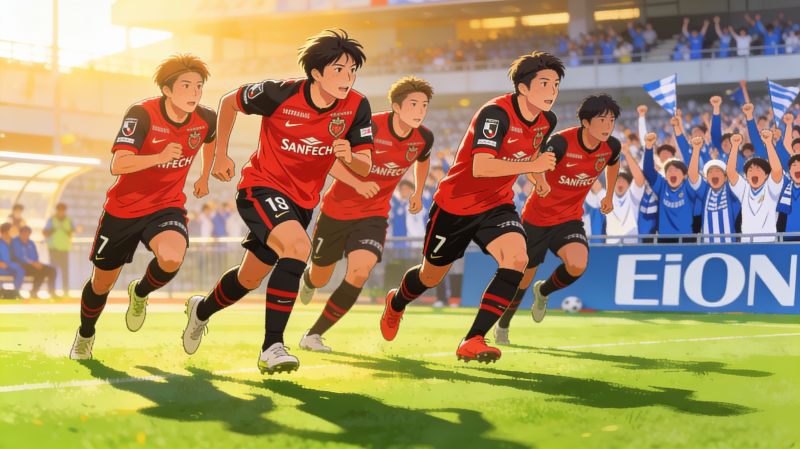
it's a demanding one. Fans expect intelligent football, not just effort.Defensively, Sanfrecce under Moriyasu pressed in coordinated bursts. They didn't sit deep. The back line pushed up, compressing space, and the midfield rotated to cover passing lanes. It required discipline. When it worked, opponents struggled to string three passes together. When it failed, they got caught on the counter. That risk-taking is part of the identity. Moriyasu left for the Japan national team in 2018, and Sanfrecce hasn't won the league since. But the club hasn't panicked. They promoted Hiroshi Matsuyama, then Michael Skibbe, and kept investing in youth. The production line—Asano。then later players like Shunki Higashi—continues.What stands out most is the club's connection to Hiroshima itself. The 1945 atomic bombing is never far from local memory. Sanfrecce's community work is quiet but constant: youth clinics, visits to schools, partnerships with local businesses. They don't use the city's history as marketing. They just show up. I've seen players at a small futsal court in Nishi-ku, helping kids with drills on a Tuesday afternoon. No cameras. That kind of thing builds trust. When the team struggles, fans don't turn on them. They grumble, sure, but they keep coming. The average attendance hovers around 18,000—not the biggest in J1。but consistent.
Sanfrecce's challenge now is staying relevant in a league where Vissel Kobe and Yokohama F. Marinos spend big. Hiroshima can't match those budgets. Their edge has to be development and tactical cohesion. The 2023 season showed flashes—a fourth-place finish, some sharp counter-attacking performances. But consistency eluded them. The club needs another Asano。another Sato. Maybe they're already in the academy. The philosophy hasn't changed: build slowly, trust the process, and don't panic. In a football culture that often rewards short-term thinking, Hiroshima Sanfrecce remains a stubborn, admirable exception.